In any professional field that requires physical tools, maintaining these instruments is essential for optimal performance. Tools, whether they’re hand tools or power tools, endure a significant amount of wear and tear over time. If not properly maintained, this wear and tear can lead to reduced efficiency and potentially increase the risk of injury. Regular maintenance, therefore, plays a critical role in ensuring that your tools are functioning at their best. Furthermore, a well-maintained tool not only enhances performance but also prolongs the lifespan of the equipment.
The importance of tool maintenance can also be highlighted by the role it plays in cost management for businesses. Repair and replacement costs can quickly add up, turning seemingly small issues into major financial burdens. By adhering to a regular maintenance schedule, businesses can avoid the intervention of costly repairs. In the long run, maintaining tools is less costly than frequently replacing them. This financial saving is valuable for businesses looking to manage their resources effectively.
Moreover, well-maintained tools contribute to a more productive work environment. When tools function correctly, tasks can be completed efficiently and effectively, which boosts productivity. This is especially crucial in time-sensitive projects where any delay might incur additional costs. Having well-maintained tools also enables workers to focus more on their craft rather than dealing with tool-related issues. By investing in routine tool repairs, businesses can enhance efficiency and maintain a competitive edge within their respective industries.
Identifying the Right Tool Repair Services
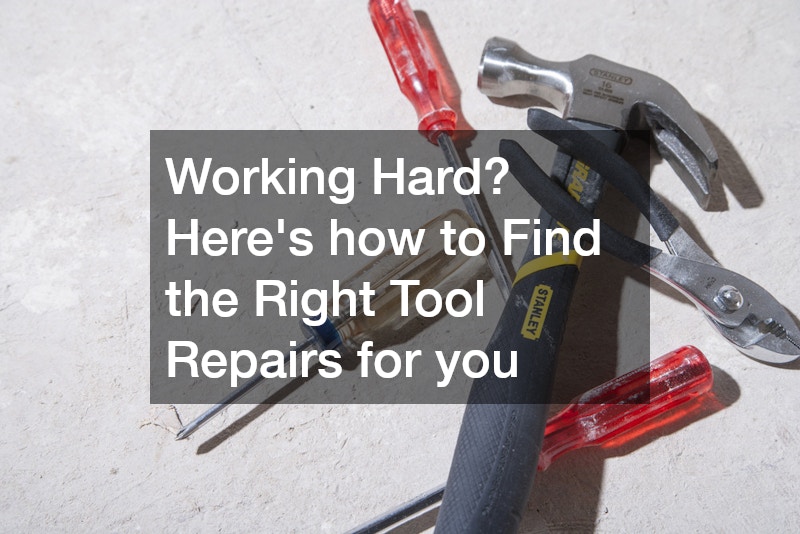
Finding the right tool repair service can be a daunting task, especially for those new to handling tools professionally. One of the first steps in finding a reliable service is researching various providers in your area. Look for services that have solid reputations and positive customer reviews. These reviews often come from people who have firsthand experience with the service, providing you with insights into the quality of their work. Moreover, reaching out to peers or networks within your field for recommendations can also be invaluable.
In addition to customer feedback, consider the range of services that the repair provider offers. A service that provides comprehensive repair options for a variety of tools is often a good indicator of their expertise. Services that offer diagnostic evaluations can help identify hidden issues, ensuring that all potential problems are addressed during repairs. Repair providers that offer warranties or guarantees on their work often demonstrate a level of confidence in their skills and workmanship. Therefore, it is wise to seek out providers who stand behind the quality of their repairs.
The cost of repair services is another crucial factor to consider. While it might be tempting to go for the cheapest option, the quality of the repair should always be at the forefront of your decision. Balancing cost with quality will ensure you receive the best value for your investment. It’s worth noting that less expensive services may not always offer the best results, and vice versa. Therefore, conducting thorough research and comparing multiple service providers can help you arrive at an informed decision concerning tool repairs.
The Benefits of Preventative Maintenance
Preventative maintenance is a proactive approach that involves regularly scheduled maintenance checks and adjustments to avoid significant tool failures. By implementing a routine maintenance schedule, businesses can minimize downtime caused by unexpected tool breakdowns. This approach not only maximizes uptime but also reduces the frequency of costly emergency repairs. Preventative maintenance ensures that tools are consistently operating in peak condition, enhancing productivity and safety. This proactive strategy provides peace of mind, knowing that potential issues are addressed before they escalate.
Preventative maintenance also plays a pivotal role in cost savings over the long term. By addressing minor issues early, businesses can avoid the higher costs associated with major repairs or outright replacements. This approach can be particularly beneficial for businesses operating on tight budgets or within competitive industries where resource management is crucial. Additionally, having a robust maintenance strategy can significantly extend the lifespan of tools, offering even more value to the business. Thus, preventative maintenance is not just a matter of safety, but also a smart financial strategy.
Furthermore, engaging in preventive maintenance can foster a healthier work culture. Employees can perform their duties with confidence, knowing that their tools are reliable and efficient. This assurance can lead to improved morale and increased job satisfaction among workers. When workers are equipped with well-maintained tools, they are empowered to produce higher quality work, which in turn, boosts the overall reputation of the company. Ultimately, investing in preventative maintenance signifies a commitment to both employee welfare and business success through effective tool repairs.